
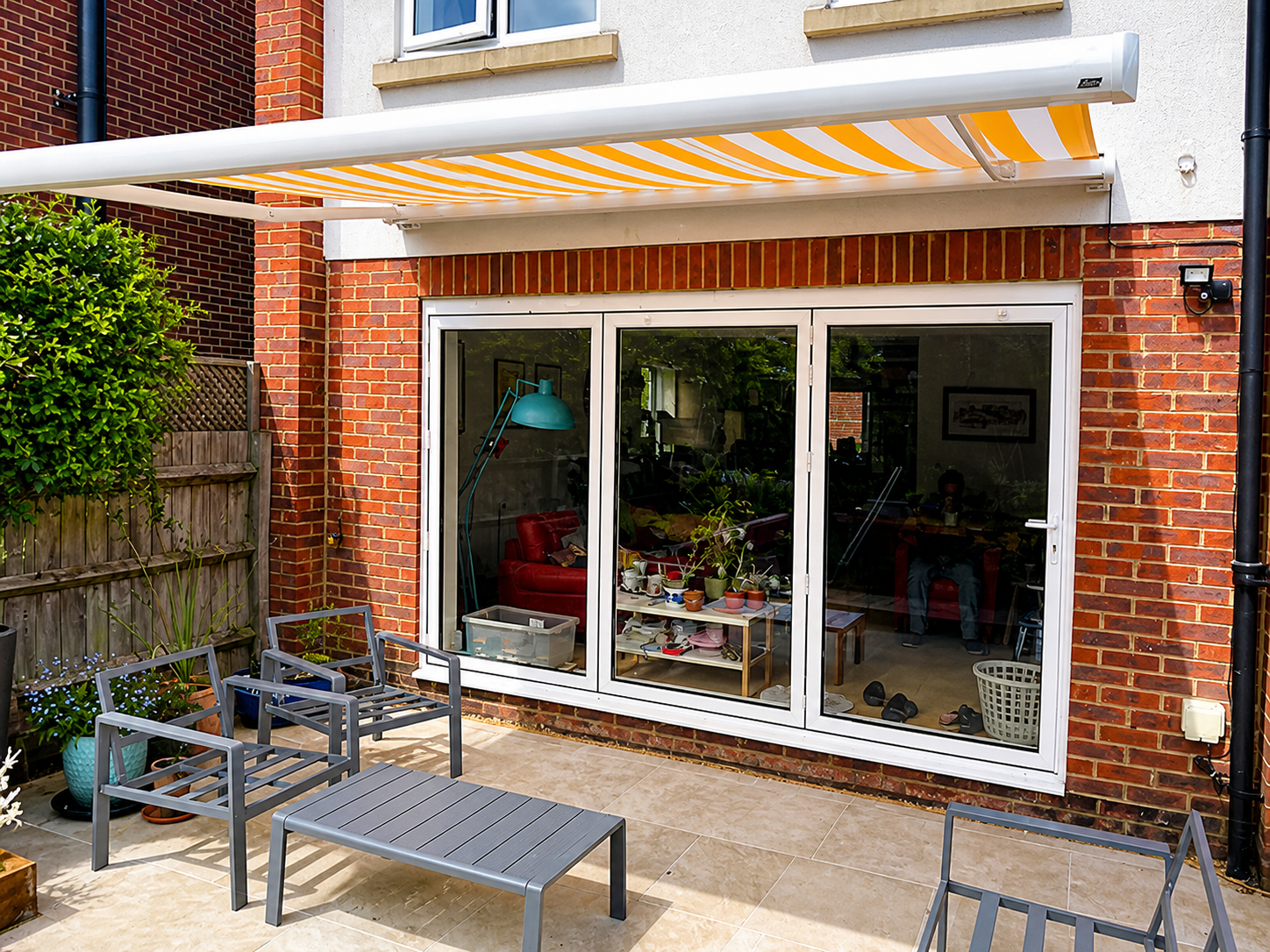
If you’re thinking about adding shade to your garden or patio, one of the first decisions you’ll need to make is retractable vs fixed awning. Both can provide shelter from the sun and help you make better use of your outdoor space, but they offer very different benefits.
For most homeowners, a retractable awning offers the greatest flexibility. It gives you shade when you want it and allows you to enjoy full sunshine whenever you choose. However, there are situations where a fixed awning may be the better option.
Let’s look at the differences to help you decide.
What is a retractable awning?
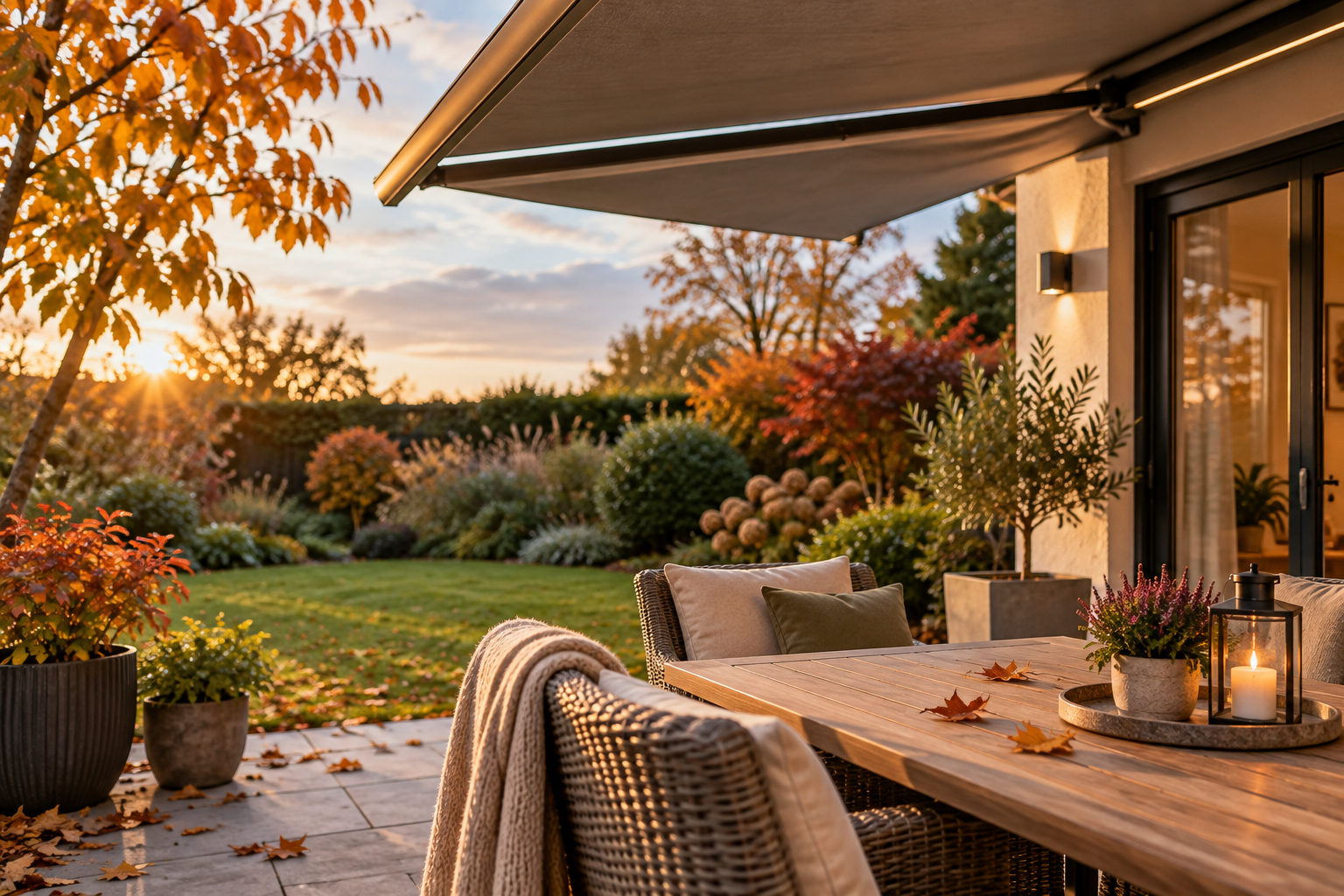
A retractable awning extends when you need shade and folds neatly away when you don’t.
Modern systems are available with manual operation or electric motors, and many can be fitted with wind sensors that automatically retract the awning if conditions become too windy.
When closed, the fabric and moving parts are protected inside the cassette, helping to keep the awning looking its best for longer.
What is a retractable awning?
A retractable awning extends when you need shade and folds neatly away when you don’t.
Modern systems are available with manual operation or electric motors, and many can be fitted with wind sensors that automatically retract the awning if conditions become too windy.
When closed, the fabric and moving parts are protected inside the cassette, helping to keep the awning looking its best for longer.
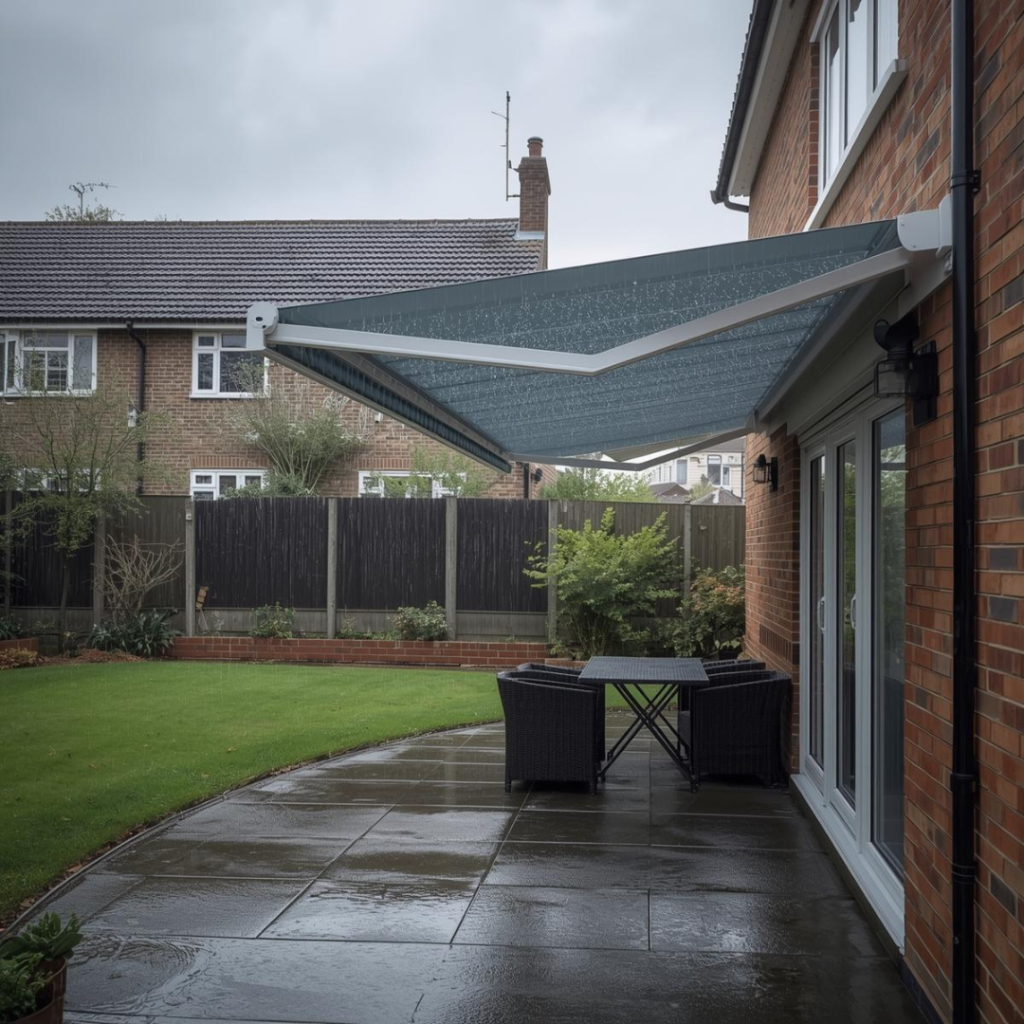

What is a fixed awning?
A fixed awning remains permanently extended.
They’re commonly seen above shopfronts, cafés and commercial premises, although they can also be used in residential settings where constant shelter is required.
Because they can’t be retracted, they provide permanent shade and weather protection over a particular area.
Flexibility
One of the biggest advantages of a retractable awning is flexibility.
Some days you may want to sit in full sunshine, while on others you’d prefer shade during the hottest part of the afternoon.
With a retractable awning, you’re in complete control.
A fixed awning doesn’t offer the same versatility because it’s always in place, regardless of the weather or season.
For many homeowners, that flexibility is the deciding factor.
Appearance
A retractable awning has another advantage when it comes to appearance.
When closed, it’s discreet and allows the architectural features of your home to remain fully visible. This is particularly appealing if you’ve invested in attractive brickwork, large patio doors or garden views.
A fixed awning, by comparison, remains visible all year round.
While many people like this look, others prefer the cleaner appearance that a retractable system provides.
Protection from the weather
Both types of awning offer welcome shade from the sun, but there are important differences when it comes to weather.
Retractable awnings can usually cope with light showers, making them ideal if you’re caught out during a summer barbecue or outdoor meal.
However, they should always be retracted during strong winds or severe weather unless your system has automatic protection features.
A fixed awning provides constant shelter but remains exposed to the elements throughout the year. Over time, this can increase wear on the fabric and frame compared with a retractable system that’s protected when not in use.
Maintenance
Because retractable awnings can be closed away when not in use, they often require less ongoing maintenance.
The fabric is better protected from dirt, leaves and prolonged exposure to the weather, helping to extend its appearance and lifespan.
Regardless of which type you choose, occasional cleaning and regular inspections will help keep your awning performing at its best.
Which is better for most homes?
For the majority of domestic properties, retractable awnings are the preferred choice.
They allow you to adapt your outdoor space throughout the day, whether you’re enjoying breakfast in the sunshine, relaxing with a book in the shade or entertaining friends on a warm summer evening.
Rather than creating permanent shade, they give you the freedom to decide exactly how much sunlight you want.
Is a fixed awning ever the better option?
There are situations where a fixed awning makes perfect sense.
For example, if you want permanent shelter over a doorway or a commercial entrance, or if continuous weather protection is your priority, a fixed awning can be an excellent solution.
For most patios and gardens, however, homeowners usually prefer the flexibility that retractable awnings provide.
So, retractable vs fixed awning, which is better?
When comparing retractable vs fixed awning options, there’s no single answer that suits every property.
A fixed awning provides permanent cover and can work well in specific situations. However, for most homeowners looking to create a more comfortable and flexible outdoor living space, a retractable awning is often the better choice.
It allows you to enjoy shade when you need it, sunshine when you want it, and helps protect the awning itself when it’s not in use.
If you’re unsure which option would work best for your home, a professional survey can help you choose the right size, style and installation method for your property.
Frequently Asked Questions
For most homes, yes. A retractable awning offers greater flexibility because it can be extended or retracted depending on the weather and how you want to use your outdoor space.
They often do because the fabric and mechanism can be protected when the awning is closed, reducing exposure to the elements.
It’s generally recommended to retract them during strong winds or severe weather to help protect the awning and prolong its lifespan.
They can be, depending on the design and specification, but the right choice depends on how you intend to use the space rather than price alone.
For most patios, a retractable awning offers the best combination of flexibility, shade and long-term practicality.


Leave A Comment