

If you are planning to install an awning, you may be wondering whether optional features are really necessary. Many homeowners ask if awning extras are worth it or if they are simply add-ons that increase the overall cost.
The answer depends on how you plan to use your awning. Some extras can significantly improve comfort and usability, while others are more about convenience or personal preference.
What are awning extras and what do they include?
Awning extras are additional features that can be included as part of your installation. These are designed to enhance how your awning performs and how you use your outdoor space.
Common options include:
• Integrated LED lighting
• Outdoor heating
• Wind sensors
• Remote control operation
You can explore these in more detail here
Which awning extras add the most practical value?
Wind sensors
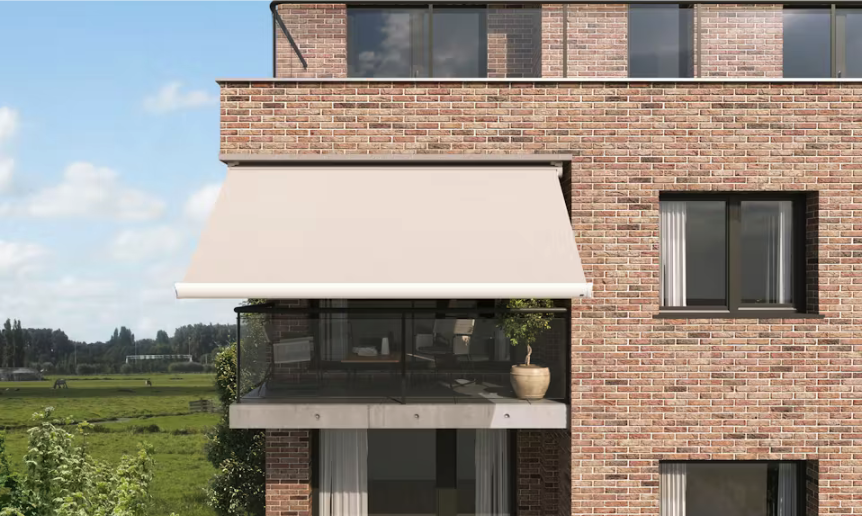
Wind sensors are one of the most practical additions. They automatically retract the awning if wind levels become too high, helping to protect both the fabric and the structure.
This reduces the risk of damage and can help extend the lifespan of your awning, particularly if it is left extended during changeable weather.
LED lighting
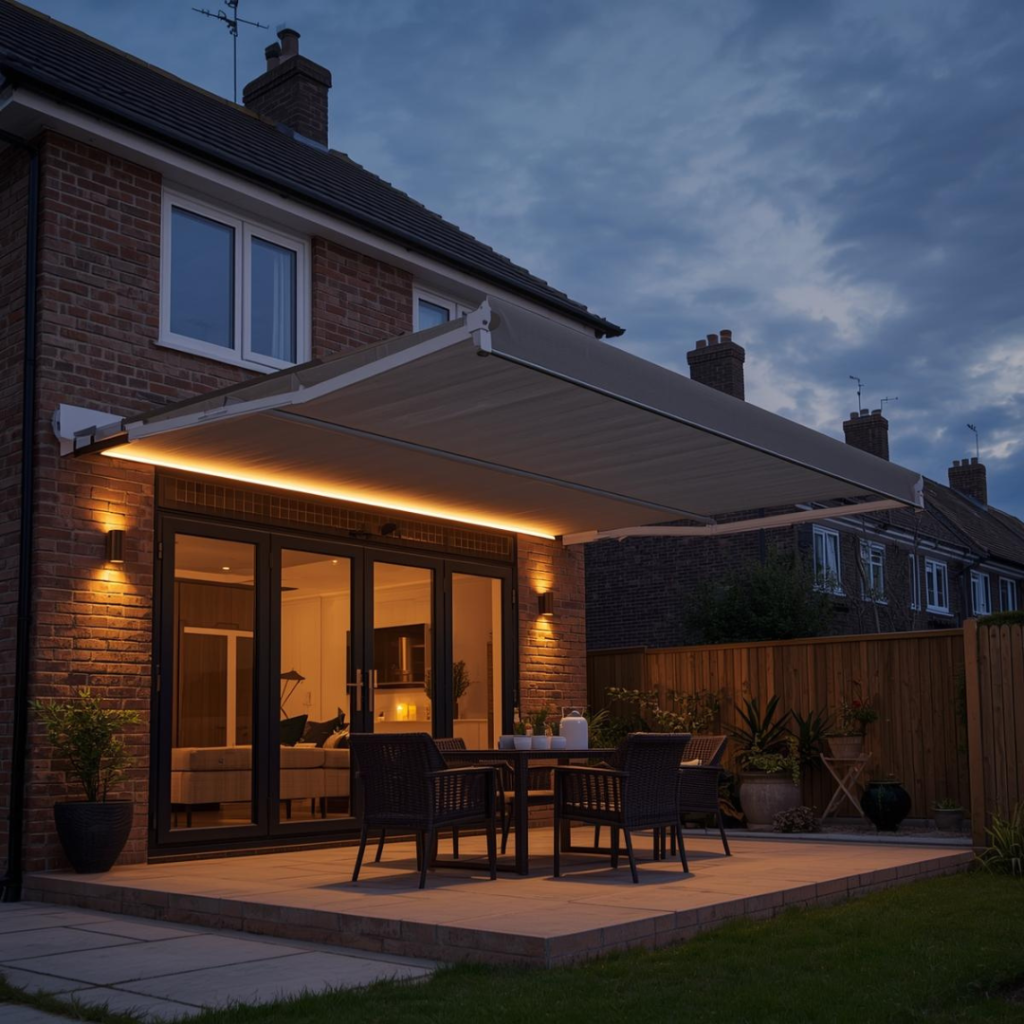
Integrated lighting allows you to use your outdoor space later into the evening without needing separate fixtures.
For homeowners who enjoy dining outside or relaxing on the patio after sunset, lighting can make a noticeable difference to how often the space is used.
Heating
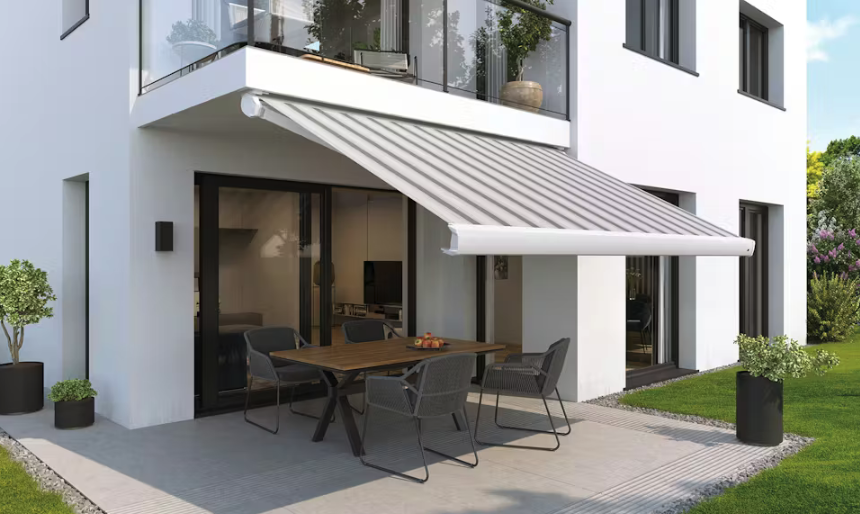
Outdoor heating can extend the usable season of your awning, especially in spring and early autumn.
While not essential for everyone, it can be a valuable addition if you want to make the most of your garden throughout more of the year.
Remote control operation
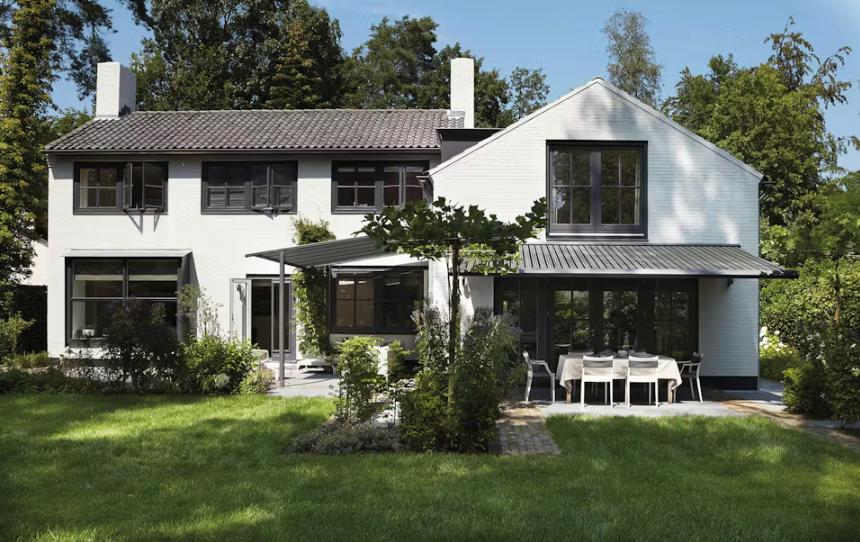
Most modern electric awnings are operated by remote control as standard. This allows you to extend or retract the awning quickly and easily, making it simple to adjust shade levels throughout the day.
You can learn more about how these systems work here.
Which extras are optional rather than essential?
Not every extra is necessary for every home. Some features are more lifestyle-driven than practical.
For example:
• Heating may not be needed if the awning is mainly used in peak summer
• Lighting may be less important if the space is not used in the evenings
Choosing the right extras comes down to how you plan to use your outdoor space, rather than selecting everything available.
Do awning extras improve longevity?
Some extras do more than improve comfort. They can also help protect your investment.
Wind sensors are the clearest example, as they reduce strain on the awning during sudden weather changes. This can prevent unnecessary wear on moving parts and fabric.
Simple usage habits also play a role. If you are considering installation, you may find it helpful to read When is the Best Time to Install an Awning?
Are awning extras worth the cost?
For many homeowners, awning extras are worth it when they align with how the space will be used.
The most valuable extras tend to be those that:
• Improve ease of use
• Extend the time the space can be enjoyed
• Protect the awning from avoidable damage
Rather than viewing extras as upgrades, it can be helpful to think of them as part of creating a more functional and comfortable outdoor space.
How to decide which awning extras are right for you
The best approach is to consider your daily habits and how you want to use your outdoor area.
You might ask yourself:
• Will I use this space in the evenings?
• Do I need the awning to operate automatically in changing weather?
• Do I want to extend use beyond peak summer months?
Answering these questions makes it easier to choose features that offer genuine value rather than unnecessary additions.
So, are awning extras worth it?
Awning extras are worth it when they improve how you use your space or help protect your awning over time. The key is choosing features that suit your lifestyle rather than adding everything available.
If you are unsure which options are right for your home, a consultation can help you explore the practical benefits of each feature and decide what will work best for your space.
Awning extras are not always necessary, but some can make a noticeable difference to usability and longevity. Features such as wind sensors offer practical protection, while others like lighting or heating are based on how you plan to use your space.
The most worthwhile extras are usually those that improve ease of use or protect the awning. Wind sensors are often considered the most practical, as they help prevent damage during sudden weather changes.
Certain extras, particularly wind sensors, can help reduce strain on the awning and support long-term performance. Combined with good usage habits, they can help extend the lifespan of the system.
Costs vary depending on the feature, but not all extras are essential. Many homeowners choose a small number of practical additions rather than selecting every available option.
Some features may be added after installation, but others are easier and more cost-effective to include from the start. It is usually best to discuss options during the planning stage.
A wind sensor is not essential, but it is one of the most useful features available. It automatically retracts the awning in high winds, helping to protect it even when you are not at home.



Leave A Comment