

Electric awnings are designed to be easy to use and relatively low maintenance, which is one of the reasons they are so popular with homeowners. That said, like any feature exposed to the elements, they benefit from basic care to keep them working smoothly and looking their best.
Understanding what electric awning maintenance involves can help you avoid unnecessary wear and ensure your awning continues to perform as intended.
What parts of an electric awning need attention?
Electric awnings are built from durable components designed for regular outdoor use. The main areas that benefit from occasional attention include:
• The awning fabric
• The aluminium frame and folding arms
• The electric motor and control system
• Optional features such as wind sensors or lighting
In most cases, maintenance is preventative rather than reactive and focuses on keeping the awning clean and free from strain.
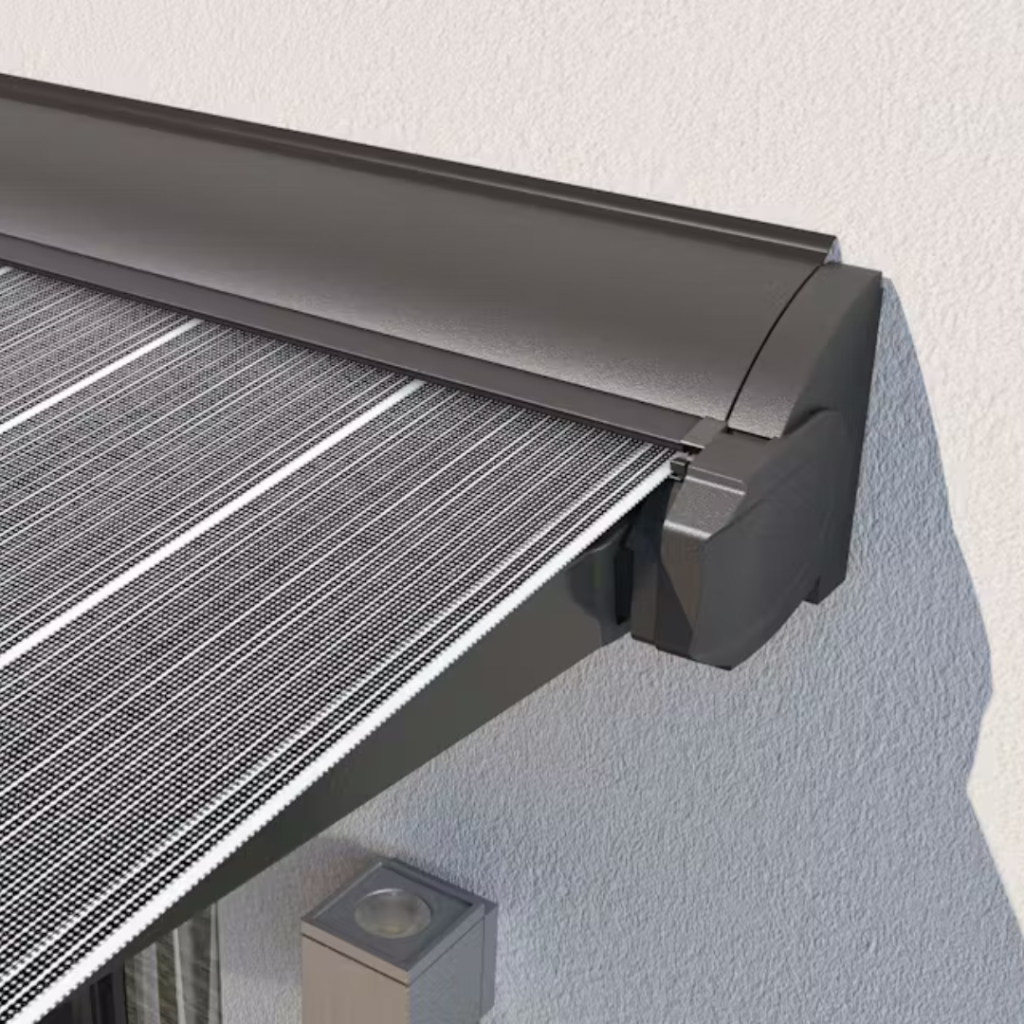
How often should an electric awning be cleaned?
Routine cleaning is one of the simplest ways to extend the life of an electric awning. For most households, a light clean a few times a year is more than enough.
Helpful care tips include:
• Brushing off loose dirt and leaves regularly
• Cleaning with lukewarm water and mild soap when needed
• Avoiding abrasive cleaners or pressure washers
• Allowing the fabric to dry fully before retracting
Keeping the fabric clean helps prevent staining and reduces long-term deterioration.

Do electric awnings need professional servicing?
Electric awnings do not usually require scheduled servicing, but it is important to pay attention to how they operate. If the awning begins to move unevenly, makes unusual noises, or struggles to retract fully, it may be time to seek professional advice.
A qualified installer can check fixings, alignment, and motor function, and resolve small issues before they develop into larger problems.
How do wind sensors reduce wear and tear?
Wind sensors are designed to protect electric awnings by automatically retracting them when wind levels rise. This reduces strain on the arms and fabric during sudden weather changes.
While not essential, wind sensors are a useful addition for homeowners who want extra protection and peace of mind, especially if the awning is often left extended.
Should electric awnings be retracted when not in use?
Retracting an electric awning when it is not needed is one of the simplest ways to reduce wear. Extended exposure to rain, debris, or strong sunlight can gradually affect both fabric and framework.
Good habits include:
• Retracting the awning during storms or high winds
• Ensuring the fabric is dry before long periods of storage
• Periodically checking fixings as part of general home maintenance
These small steps can significantly extend the awning’s lifespan.
How long do electric awnings typically last?
With correct installation and sensible care, electric awnings are built to last many years. High-quality motors are designed for repeated use, and modern awning fabrics are engineered to resist fading and weathering.
Following basic electric awning maintenance guidance helps ensure consistent performance and avoids unnecessary repair costs over time.

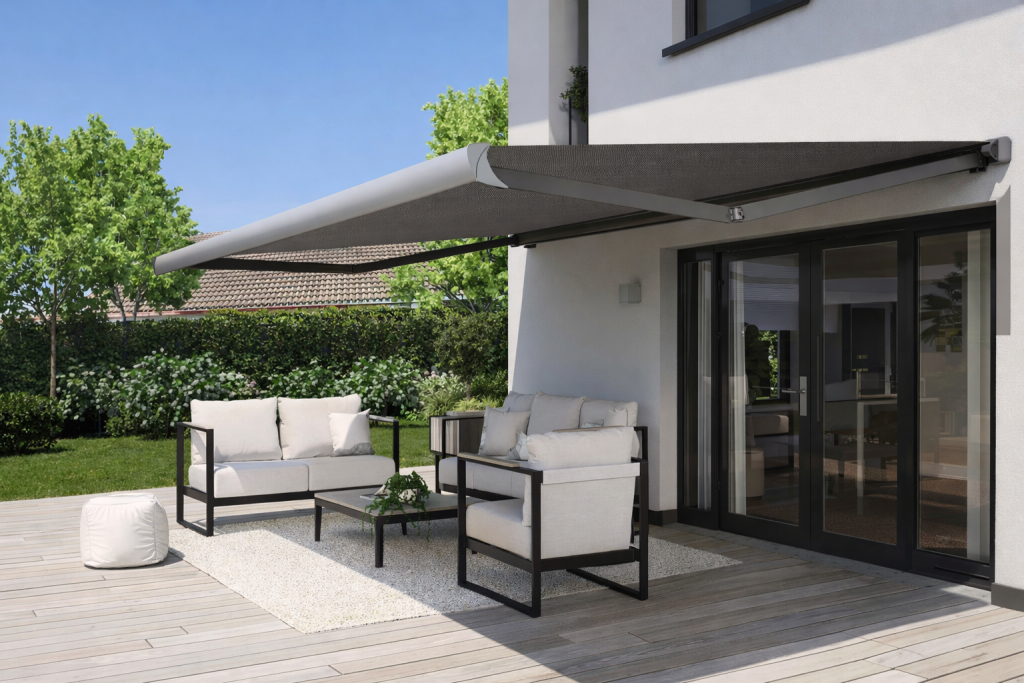
Special considerations for coastal homes
Homes in coastal areas may need to take a little extra care due to salt in the air, stronger winds, and increased exposure to sunlight. These conditions can place additional stress on outdoor fixtures.
For coastal properties, it can be helpful to:
• Clean fabric and framework more regularly
• Retract awnings during strong coastal winds
• Consider wind sensors for added protection
Choosing suitable materials and following simple care routines helps electric awnings perform well even in more exposed environments.
A simple approach to electric awning care
Electric awnings do not require intensive maintenance. With occasional cleaning, sensible use, and prompt attention to any operational changes, they remain a reliable and practical addition to the home.
Understanding basic electric awning maintenance allows homeowners to enjoy the benefits of outdoor shade and comfort with minimal effort.


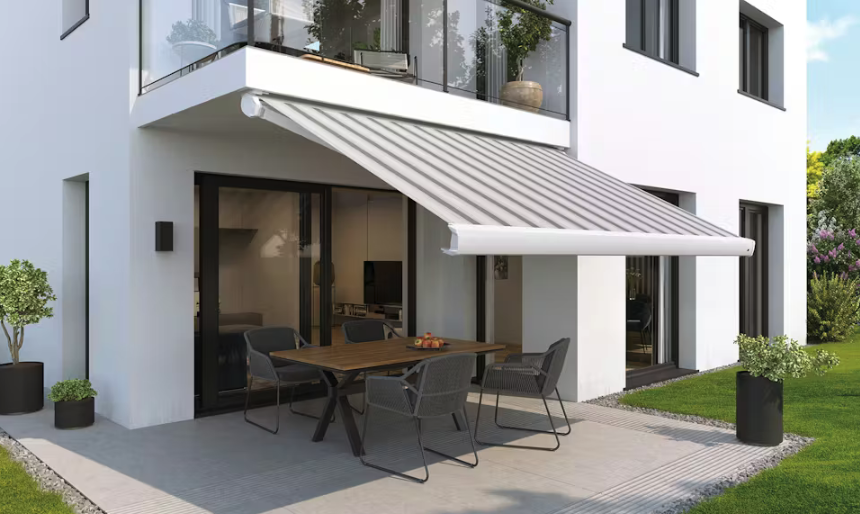
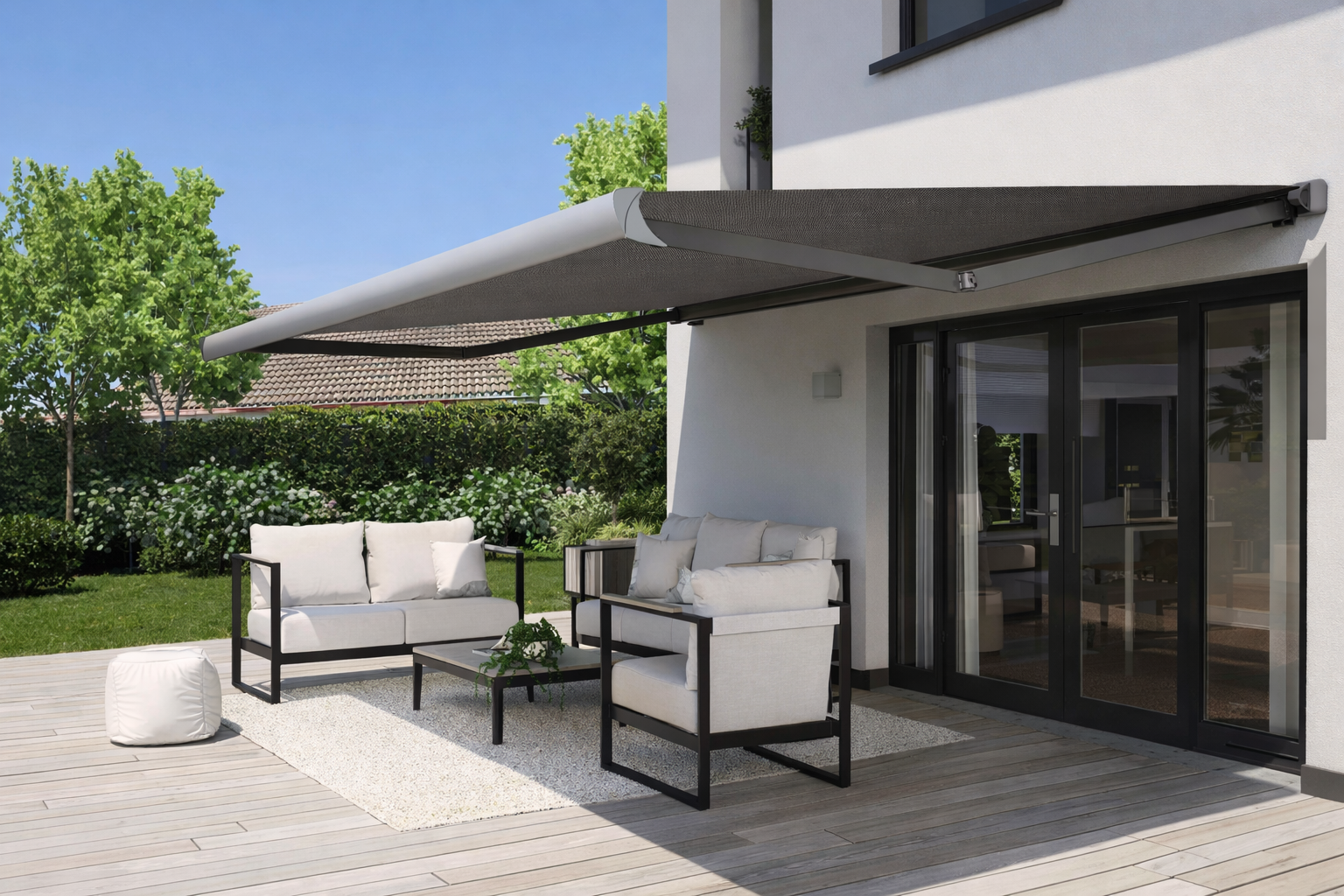

[…] Brush away any loose leaves, dirt or debris and check the fabric for anything that might need cleaning. Most importantly, make sure the awning is dry before leaving it retracted for extended periods. If it has been caught in the rain, extend it again when you get a dry spell and allow the fabric to dry thoroughly before closing it away. Read more about Awning Maintenance here […]