
Shutters & Awnings FAQs
Choosing shutters or awnings for your home often comes with sensible questions about cost, installation, suitability and long-term value. This page answers the most common queries we hear from homeowners in Eastbourne and East Sussex, so you can make an informed decision.
If you would prefer tailored advice, you can always arrange a free home consultation.

Shutters FAQs
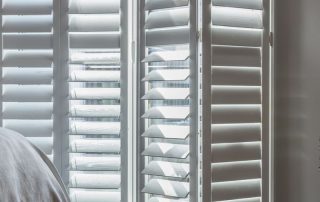
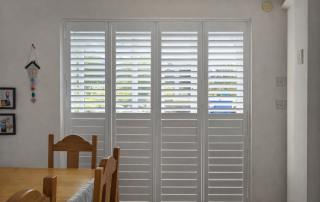
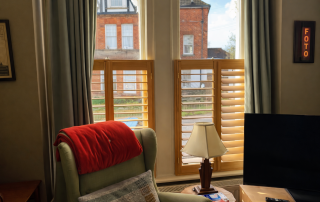
Plantation shutters are a long-term investment in comfort, insulation and privacy. Unlike curtains or blinds, they are made to measure for your windows and fitted professionally. Many homeowners choose them because they are durable, easy to maintain and add value to the property.
They also provide excellent light control and improved thermal efficiency.
You can explore styles on our Shutter Styles page.
Yes. Well-fitted shutters create an additional insulating barrier at the window. When closed, they help reduce draughts and slow down heat transfer through the glass. This can improve comfort during colder months.
You can read more about this in our guide on how shutters improve energy efficiency.
Bay windows benefit from made-to-measure designs that follow the exact shape of the frame. Full height and tier-on-tier styles are particularly popular, depending on how much flexibility you want with light and privacy.
Our bay window shutters page explains the options in more detail.
Quality shutters, when properly installed and maintained, can last for many years. Hardwood shutters are especially durable, while uPVC options are ideal for bathrooms and kitchens.
Regular cleaning and correct use will help preserve their finish and structure.


Awnings FAQs
In most residential cases, planning permission is not required. However, there can be exceptions, particularly in conservation areas or for listed properties.
We explain this fully in our blog on planning permission for awnings in the UK.
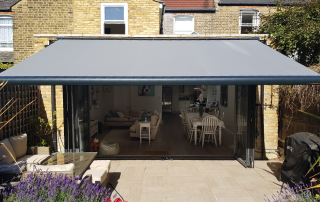
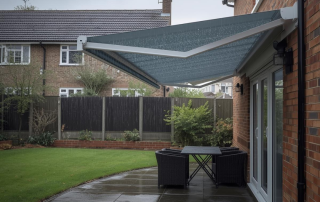
Modern electric awnings are designed for British weather. They are built to handle light rain and sun exposure. Optional wind sensors can automatically retract the awning if wind levels rise beyond safe limits.
Electric operation also reduces strain compared to manual systems.
Learn more on our Electric Awnings page.
They can be used in light rain, but they are not designed to withstand heavy or prolonged downpours. Most systems are primarily intended for shade and light weather protection.
Proper use and retraction during poor weather conditions will extend lifespan.
Yes. By shading patio doors and windows, awnings can reduce solar heat gain. This helps keep internal rooms more comfortable during warmer months.
You can read more about the practical benefits in our guide to whether awnings are worth it in the UK.


Installation FAQs
Most shutter installations are completed within a day, depending on the number of windows. Awning installations are typically completed in a few hours.
Before installation, a technical survey ensures measurements are accurate and fittings are secure.
You can read more about the process on our How to Get Shutters Fitted page and How to Get an Awning Fitted page.
Most homes are suitable, but the right product depends on window type, wall construction and exposure to weather. During your consultation, we assess your property and explain what will work best.
Because we specialise in shutters and awnings Eastbourne homeowners trust, all recommendations are based on suitability rather than sales targets.
No. We specialise exclusively in residential homes across Eastbourne and the wider East Sussex area. This allows us to focus fully on homeowner needs and service quality.
Still Have Questions?
If you are considering shutters and awnings Eastbourne residents often benefit from seeing samples and discussing options in their own home environment.
We offer free consultations across Eastbourne and East Sussex, with clear advice and no pressure.
Contact us to arrange a visit and explore what would work best for your property.