
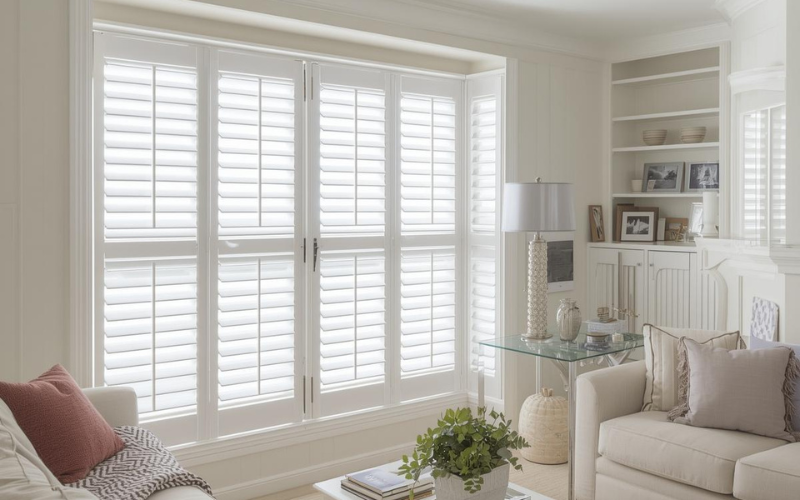
One of the main reasons homeowners choose shutters is the ability to control light in a way that feels natural and flexible. Unlike curtains or blinds, shutters allow you to adjust both the amount and direction of light entering a room.
This means you can keep your space bright and comfortable without harsh glare or unwanted exposure.
How do shutter louvres work?
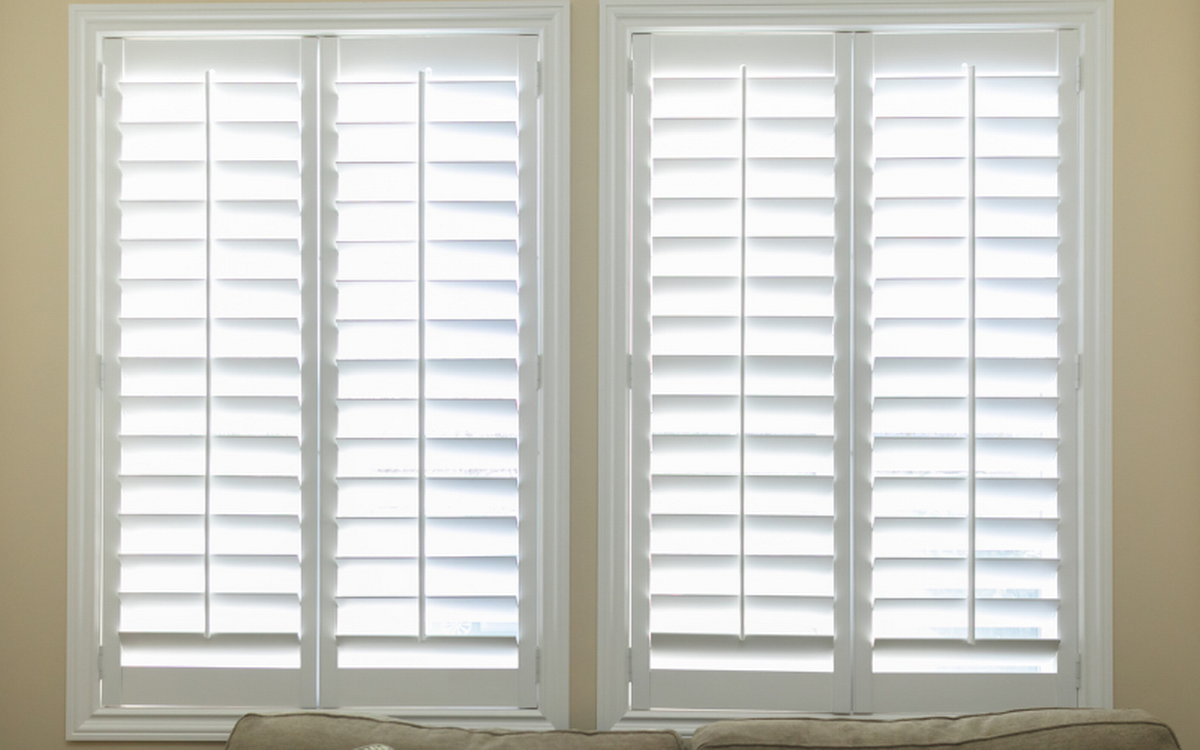
Shutters are designed with adjustable horizontal slats, known as louvres. These can be tilted to control how much light enters the room and how it is distributed.
By adjusting the angle of the louvres, you can:
• Let in soft, diffused light
• Reduce direct sunlight
• Maintain privacy while still allowing daylight in
• Block light almost completely when closed
This level of control is what makes shutters so adaptable throughout the day.
What does light control look like in the morning?
In the morning, natural light is often softer and more directional. Shutters allow you to gently introduce light into the room without fully opening the window covering.
You might choose to:
• Tilt louvres slightly open to let in soft daylight
• Keep lower sections closed for privacy
• Avoid the need for artificial lighting early in the day
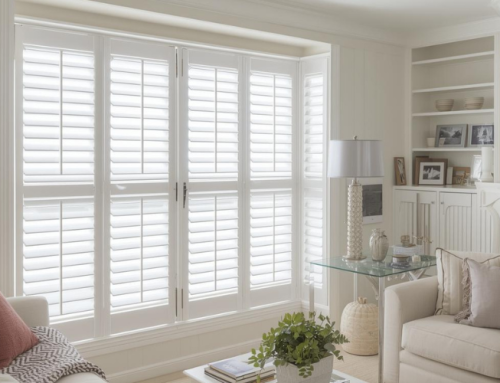
Styles such as tier-on-tier shutters are particularly useful here, as they allow the top and bottom sections to be adjusted independently.


How do shutters help during bright midday sun?
Midday light can be intense, especially in rooms that receive direct sunlight. This is where shutters offer a clear advantage over curtains and standard blinds.
By angling the louvres, you can:
• Reduce glare on screens and televisions
• Prevent rooms from feeling overly bright or washed out
• Maintain a comfortable level of daylight without closing the room off completely
This makes shutters especially useful in living rooms, kitchens, and home offices.
What about light in the evening?
As the sun lowers, shutters can be adjusted to soften incoming light while maintaining privacy from outside.
In the evening, you can:
• Angle louvres to reduce direct sunlight
• Close shutters fully for privacy as it gets darker
• Create a more relaxed, ambient feel in the room
Café style shutters are often popular for this reason, as they maintain privacy at eye level while still allowing light through the upper part of the window.

Do shutters work well in bright or south-facing rooms?
Rooms that receive a lot of sunlight throughout the day can be difficult to manage with curtains or blinds alone. Shutters provide a more controlled way to manage brightness without losing natural light.
In brighter rooms, shutters help to:
• Reduce harsh sunlight without darkening the space
• Protect furniture and flooring from prolonged exposure
• Keep the room feeling balanced and comfortable
Choosing the right shutter style can make a noticeable difference in how the space feels.
Internal link to include:
• Shutter Styles
Are shutters better than blinds for light control?
While blinds can be adjusted, they often allow light to leak through gaps or require full opening and closing to make a noticeable difference.
Shutters offer more precise control because:
• The louvres are sturdier and more evenly spaced
• They can be adjusted incrementally
• They sit closer to the window, reducing light gaps
If you would like a full comparison, see:
• Shutters vs Curtains vs Blinds
Can shutters make a room too dark?
A common concern is whether shutters will block too much light. In reality, shutters are designed to give you control rather than restrict it.
Because you can adjust the louvres at any time, you can let in as much or as little light as you need. When fully opened, shutters allow maximum light into the room, similar to having no covering at all.
So, how do shutters control light throughout the day?
Shutters allow you to control light with shutters in a way that adapts to your routine. From soft morning light to bright midday sun and more relaxed evening conditions, they provide consistent flexibility throughout the day.
Rather than opening or closing your window coverings completely, shutters let you fine-tune light levels to suit your space at any time.
If you are considering shutters for your home, a consultation can help you understand which styles will work best for your rooms and how they will perform throughout the day.
Frequently Asked Questions
Shutters can block out most light when fully closed, but they are designed to give flexibility rather than complete darkness. By adjusting the louvres, you can control how much light enters the room throughout the day.
Yes, shutters are designed to let natural light in while reducing glare. The adjustable louvres allow you to direct light into the room without fully opening the window.
No, shutters do not make a room dark unless they are fully closed. Most homeowners use them to soften and control light rather than block it completely.
Yes, shutters are particularly effective in bright or south-facing rooms. They help reduce harsh sunlight while still allowing a comfortable level of natural light into the space.
When shutters are closed, they provide a high level of privacy. However, if lights are on inside and louvres are tilted open, there may still be some visibility from outside. Adjusting the angle or closing them fully increases privacy.
Shutters generally offer more precise light control than blinds. Their solid structure and adjustable louvres allow you to fine-tune both light levels and direction throughout the day.
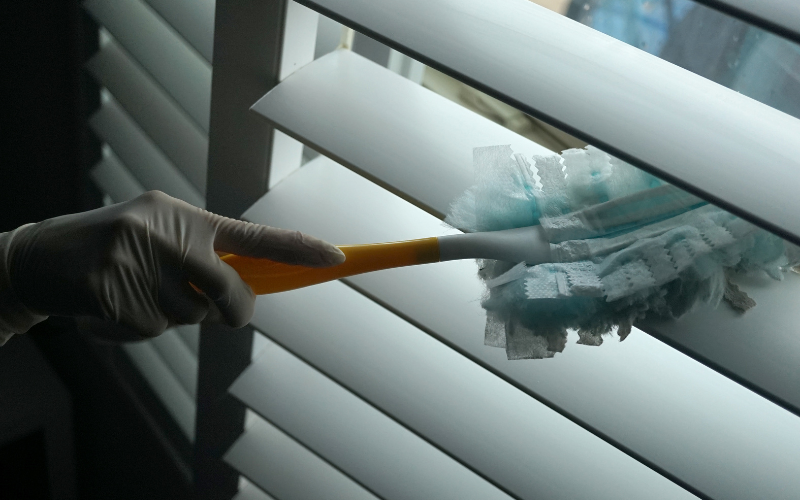
Waterproof shutters are easy to clean with mild soap and water, but it is still best to dry them afterwards to maintain their finish and prevent residue buildup.



Leave A Comment