
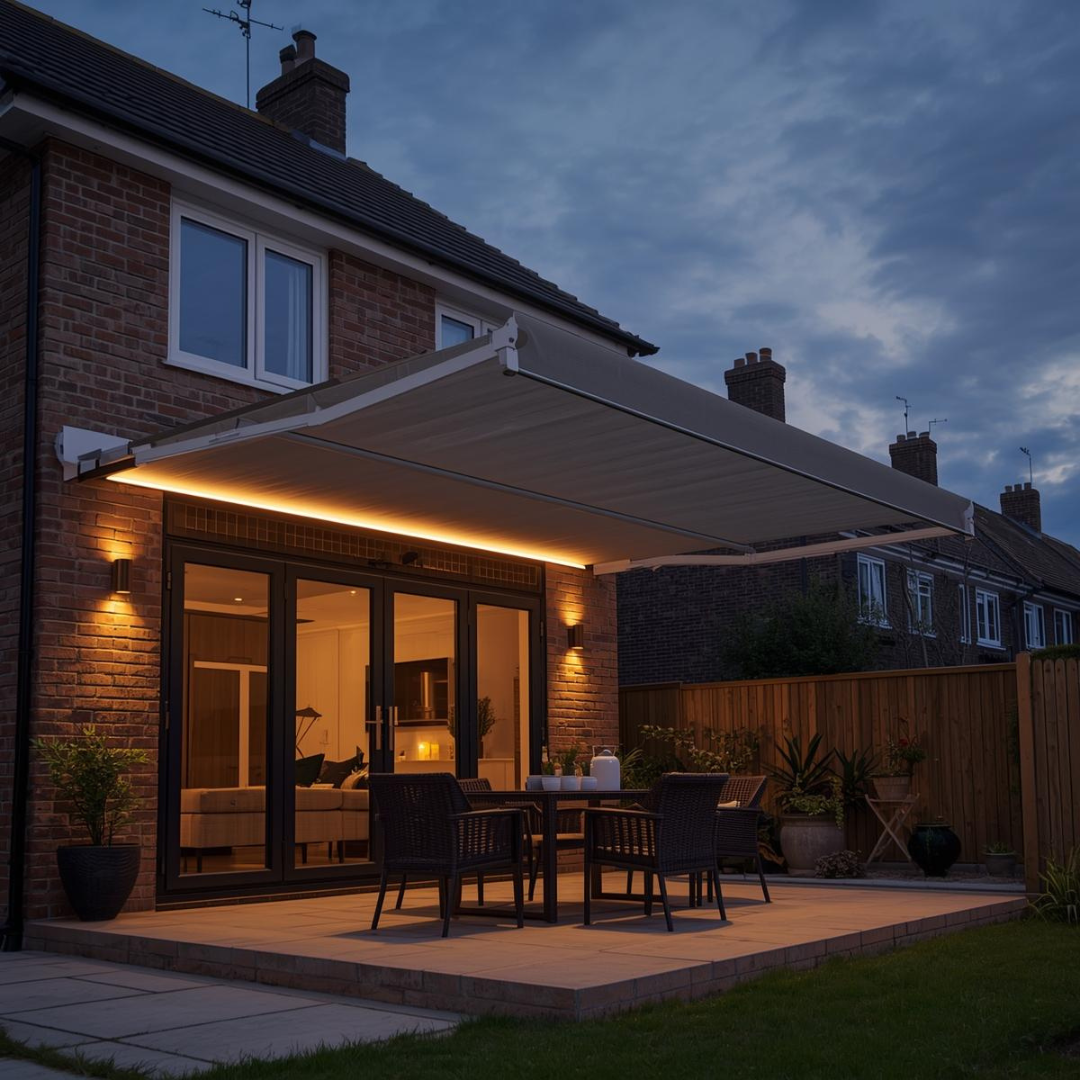
If you are thinking about installing an awning at your home, one of the first questions you are likely to ask is whether you need planning permission for an awning in the UK. With more homeowners looking to enjoy their outdoor spaces in all seasons, awnings have become an increasingly popular addition. Before going ahead, it is important to understand what the rules are and whether permission applies to your property.
In most cases, installing an awning is straightforward and does not require formal approval, but there are some important exceptions worth knowing about.
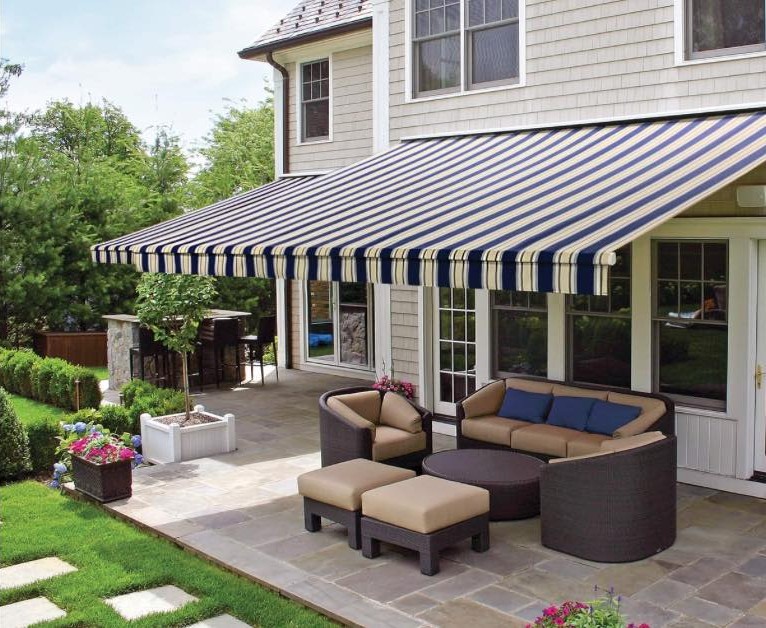
Do Awnings Usually Need Planning Permission in the UK?
In most cases, residential awnings do not require planning permission. They are typically considered permitted development, provided they meet certain conditions.
For standard houses, an awning can usually be installed without permission if it:
-
Is attached to a private residential property
-
Does not project excessively from the building
-
Does not significantly alter the appearance of the property
-
Is not installed above ground floor level
This makes awnings a popular option for homeowners who want an upgrade without the delays or uncertainty of formal planning approval.
When Planning Permission May Be Required
There are situations where planning permission may be needed before installing an awning.
You are more likely to need approval if:
-
Your home is a listed building
-
The property is within a conservation area
-
The awning projects over a public pavement or highway
-
The awning is unusually large or fixed permanently
-
The installation could affect neighbouring properties
Many parts of East Sussex include conservation zones, especially in older coastal towns and historic areas. This is why it is always worth checking before installation.
Planning Rules in East Sussex
Local planning authorities across East Sussex may apply additional controls depending on location. Homes in conservation areas or with protected status often require extra consideration, even for relatively small exterior changes.
This does not mean awnings are unsuitable. It simply means the design, size and positioning must be appropriate for the property.
A professional installer will be familiar with local planning sensitivities and can guide you through what is permitted in your specific area.
Retractable vs Fixed Awnings and Planning Considerations
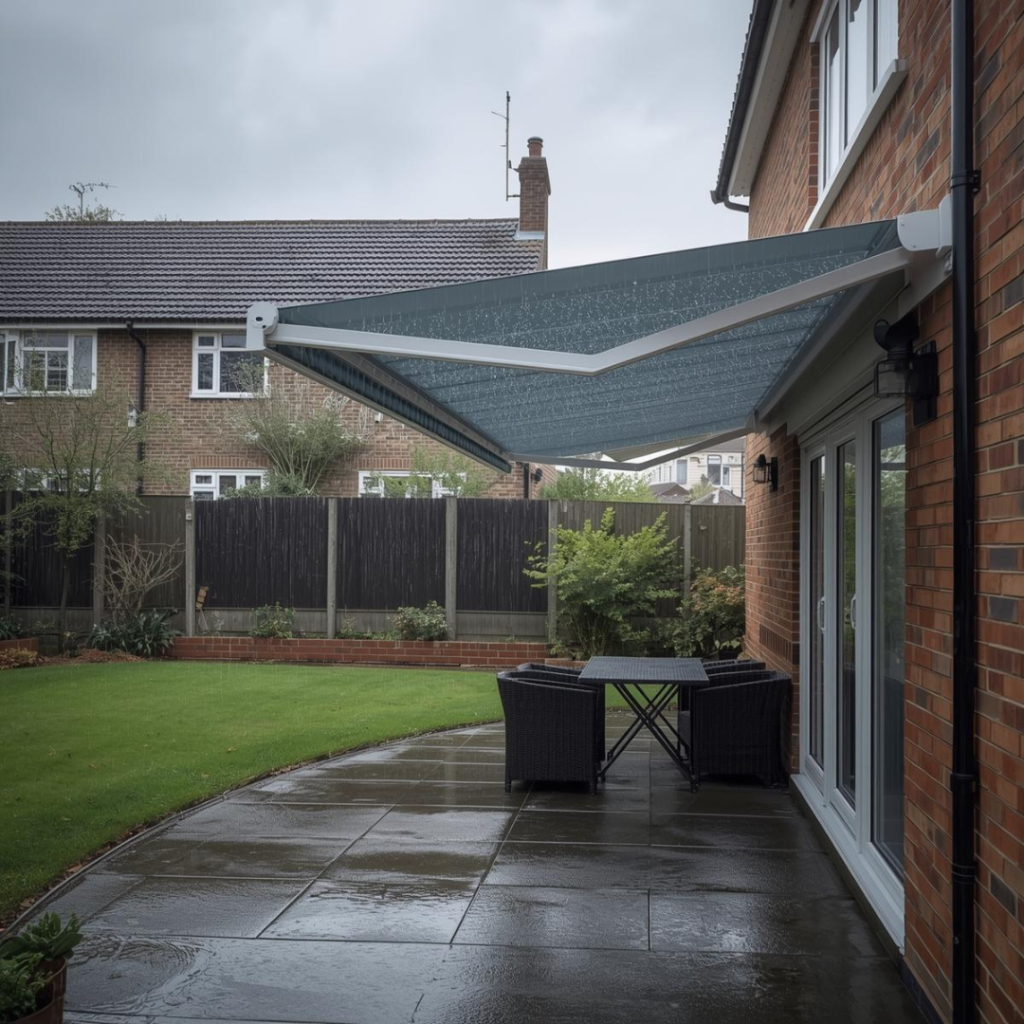
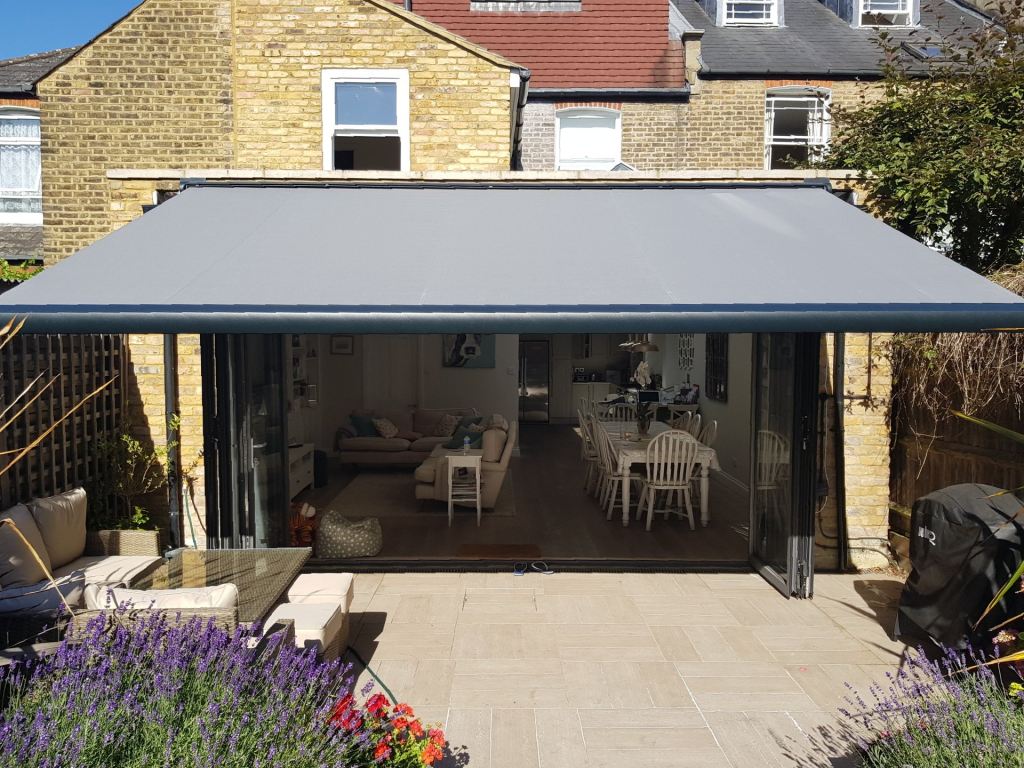
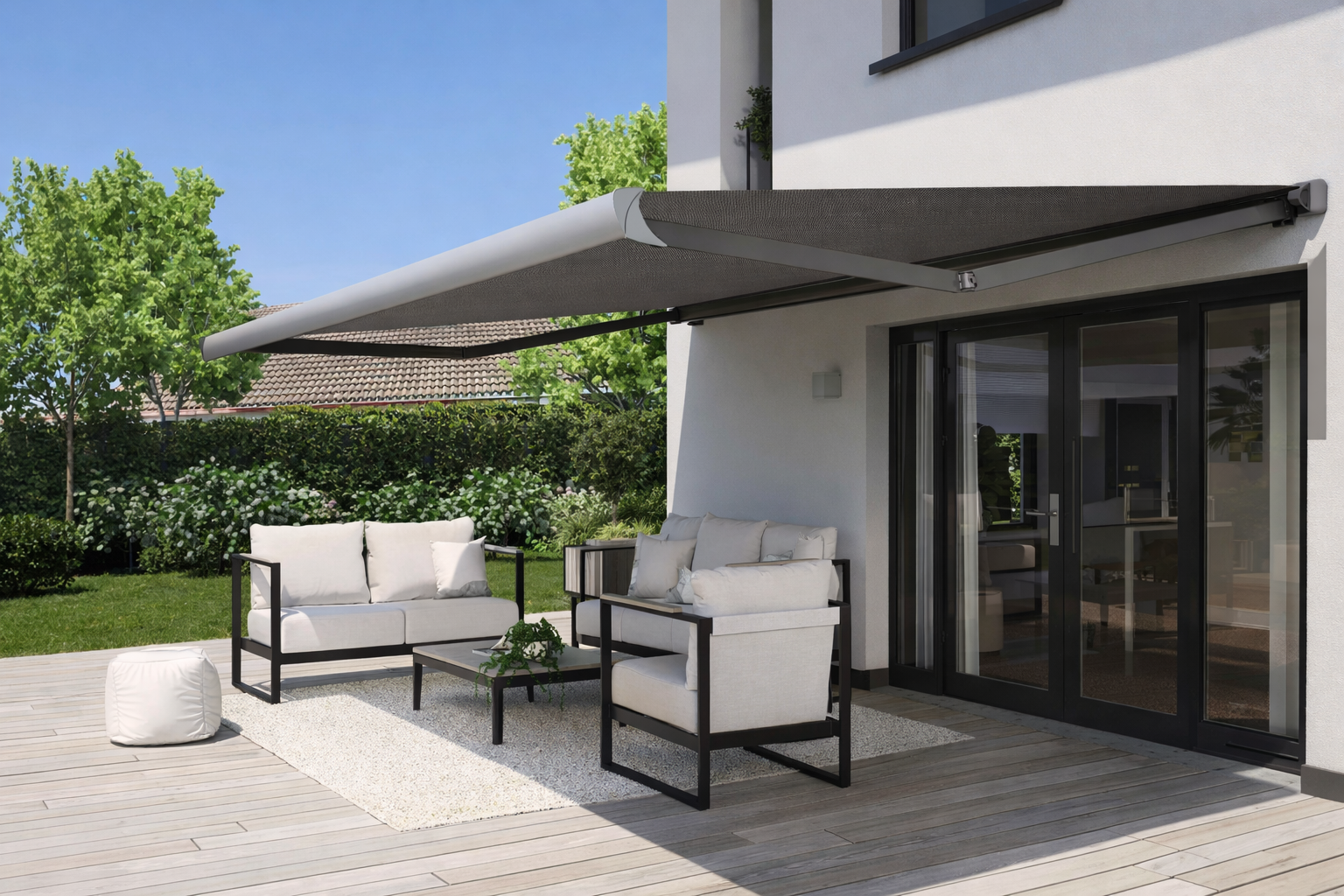
Retractable awnings are far less likely to cause planning issues than fixed structures.
Because they can be fully closed away when not in use, retractable awnings are usually seen as a temporary addition rather than a permanent alteration to the building. This makes them ideal for residential homes, particularly in sensitive areas.
Fixed awnings, canopies or structures with permanent supports are more likely to trigger planning requirements.
Why a Professional Survey Matters
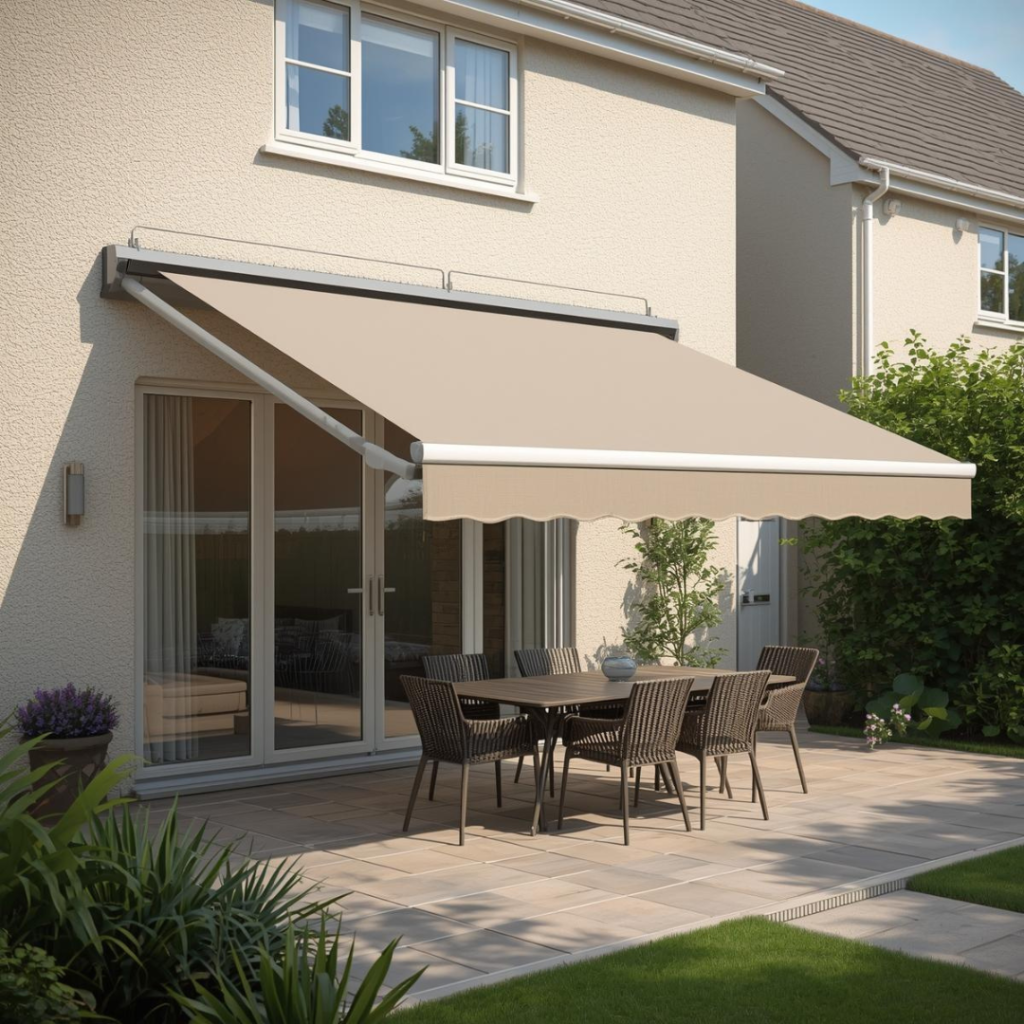
Even when planning permission is not required, a technical survey is still essential.
A proper survey ensures:
-
The wall structure can safely support the awning
-
Electrical supply is suitable for motorised awnings
-
The awning is positioned correctly for sun and rain protection
-
Fixings and brackets are appropriate for the building type
This step protects both your home and the longevity of the awning, and ensures everything complies with building and safety standards.
How Eastbourne Shutters & Awnings Helps You Stay Compliant
At Eastbourne Shutters & Awnings, every awning installation starts with a professional assessment of your home.
Our team:
-
Advises whether planning permission is likely to be required
-
Recommends suitable awning styles for your property and location
-
Carries out a full technical survey before installation
-
Ensures your awning is installed safely and correctly
If additional permissions are needed, we will explain what steps to take before any work begins.
Get in Touch
For most homeowners, installing an awning is straightforward and does not require planning permission. However, every property is different, and location matters.
Taking professional advice before installation ensures peace of mind, avoids unnecessary delays, and guarantees your awning performs exactly as it should.
If you are considering an awning for your home in East Sussex, a free home consultation is the best place to start.
Frequently Asked Questions
In most cases, no. Retractable awnings are usually classed as permitted development for residential homes.
You may need approval depending on the design and location of the awning. A professional installer can advise before installation.
Generally no, but safe installation and correct fixings are essential, especially for motorised awnings.
Yes. Special brackets and fixings are used where required to ensure a secure installation.
A technical survey checks wall structure, electrical supply, fixing points and positioning to ensure safe and reliable installation.
Awnings should not interfere with neighbouring properties. Projection and placement are considered during the survey stage.
A local awning specialist with experience in residential installations is the best first step.



Leave A Comment