
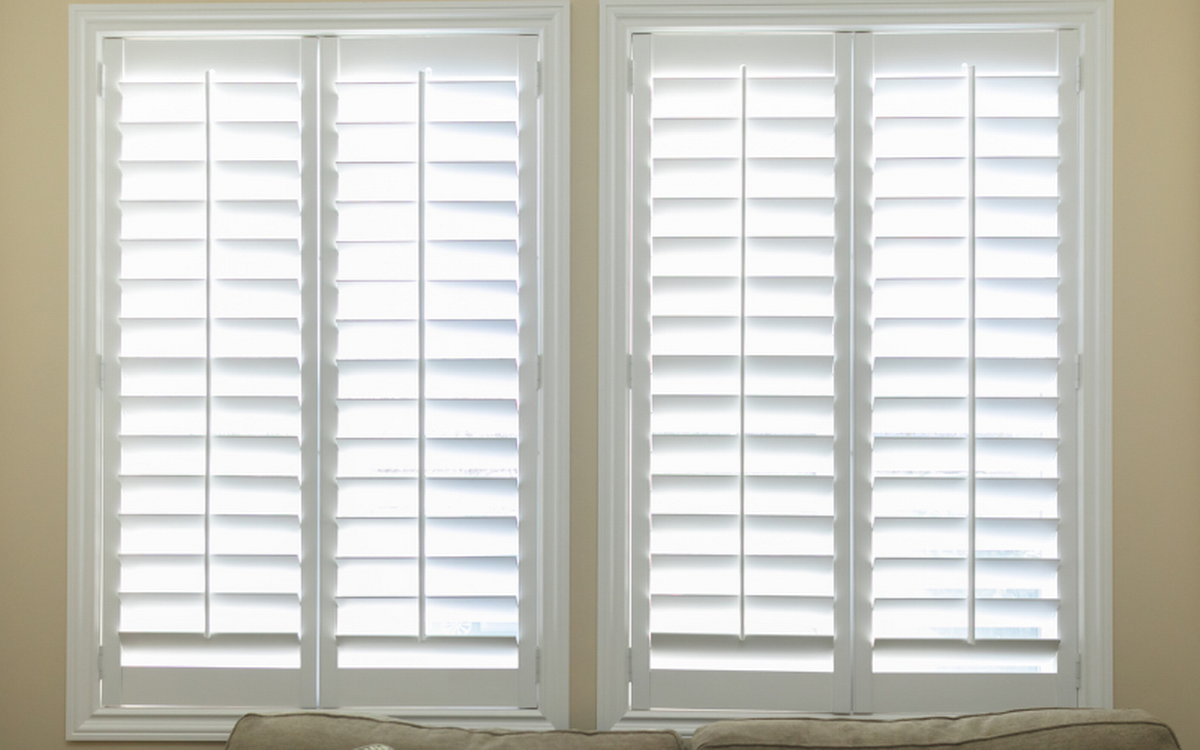
With energy costs continuing to rise, homeowners across Eastbourne are looking for smart, long-term ways to reduce utility bills. While insulation, double glazing, and smart thermostats often top the list, one frequently overlooked solution is the installation of plantation shutters. Stylish and functional, these shutters are gaining popularity not just for their visual appeal but also for their energy-saving potential.
If you’re wondering whether plantation shutters truly help cut down energy expenses or if it’s all a design trend, this guide provides in-depth, evidence-based insight tailored specifically for homes in Eastbourne and the broader East Sussex area.
Understanding How Plantation Shutters Improve Energy Efficiency
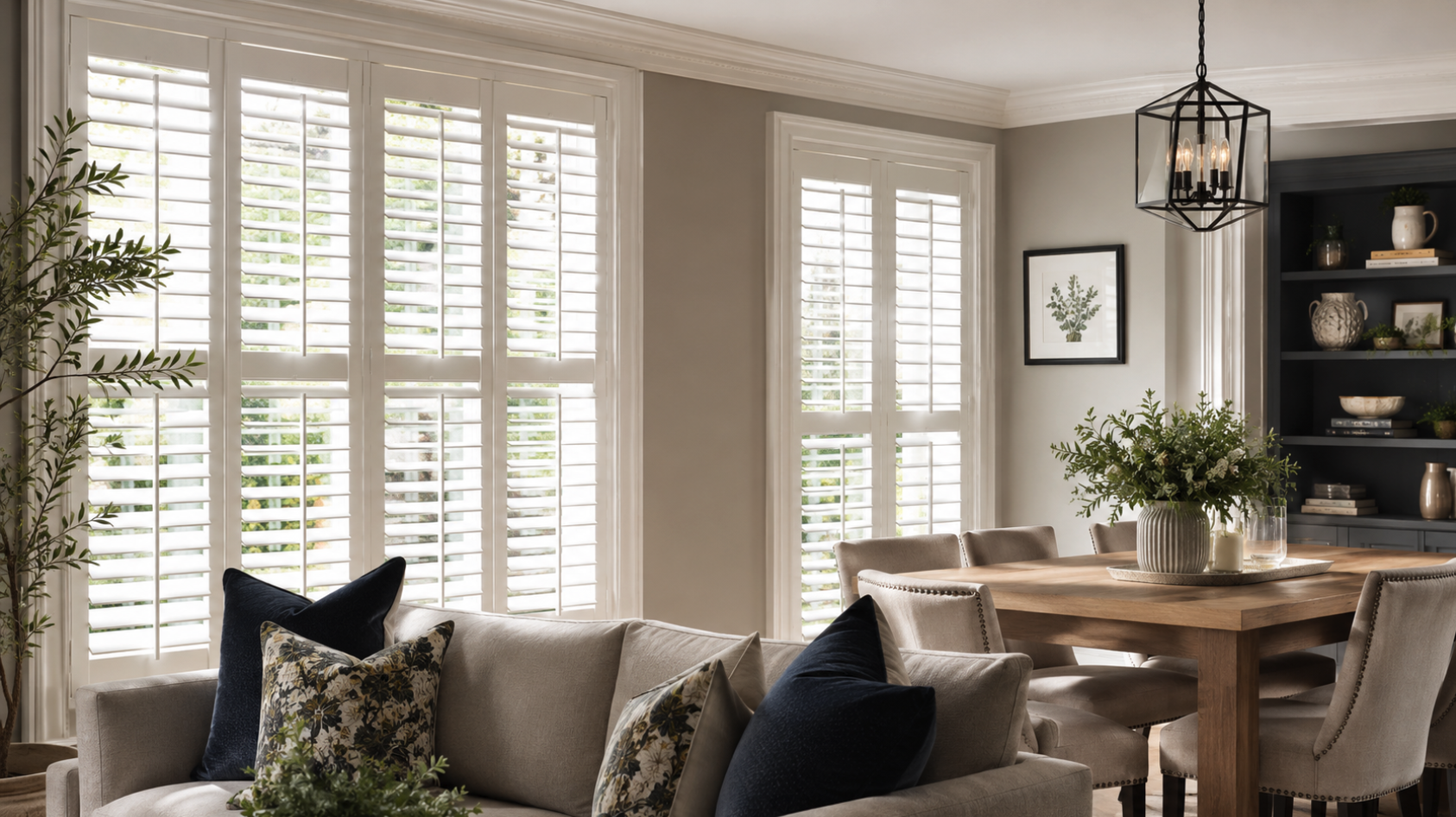
Plantation shutters act as an extra barrier between your windows and the interior of your home. In Eastbourne’s coastal climate, homes are exposed to significant sunlight, wind, and occasional cold draughts. Unlike fabric curtains or roller blinds, shutters are crafted from solid materials like hardwood or faux wood that insulate far more effectively.
When closed, plantation shutters form a tight seal that helps prevent indoor heat from escaping in winter and blocks solar radiation during warmer months. This contributes to a more stable indoor temperature, reducing the demand on heating and cooling systems.
Key Insulating Benefits of Plantation Shutters
One of the most important energy-saving properties of shutters is thermal insulation. A well-fitted shutter can reduce heat loss through windows by trapping a layer of air between the shutter and the glass. This air pocket acts as a buffer that limits how much warm air can escape or how much outside heat can seep in.
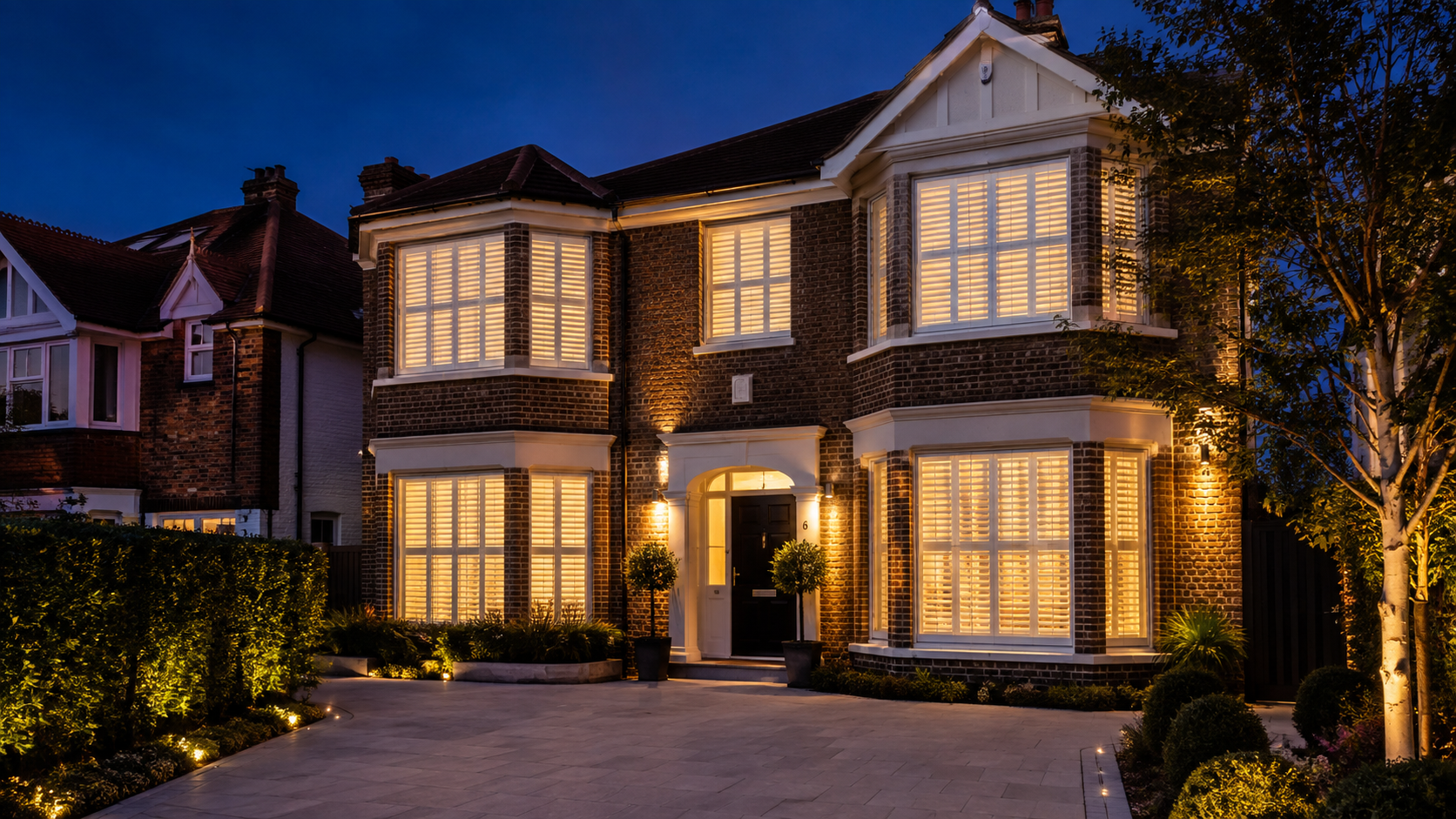
In winter, this can make a noticeable difference, particularly for rooms with older sash or bay windows common in Eastbourne’s Victorian and Edwardian homes. In summer, closing shutters during the hottest part of the day helps block solar gain, reducing indoor heat and the need for fans or air conditioning.
Shutters vs Curtains vs Blinds: Which is Best for Energy Savings?
Curtains are often the traditional choice for insulation, especially if they are thick or thermal-lined. However, they only trap air on one side and often leave gaps around the edges. Blinds can reduce glare but do very little for actual heat retention.
Shutters, by contrast, are fitted within the window frame. This creates a snug, layered barrier that significantly enhances insulation. Eastbourne residents in exposed or windy locations such as Meads or Seaford have found that shutters outperform traditional soft furnishings in reducing draughts and maintaining consistent room temperature.
Materials Matter: Hardwood vs Faux Wood for Efficiency
At Eastbourne Shutters, our plantation shutters are available in both premium hardwood and moisture-resistant faux wood. While both options provide insulation, faux wood shutters are especially suited for humid areas like kitchens and bathrooms where condensation might affect performance.
Hardwood shutters, being denser, offer excellent thermal performance and can last for decades with minimal maintenance. Our bespoke fitting ensures there are no gaps where heat could escape, which is critical to maintaining energy savings.
Key Insulating Benefits of Plantation Shutters
One of the most important energy-saving properties of shutters is thermal insulation. A well-fitted shutter can reduce heat loss through windows by trapping a layer of air between the shutter and the glass. This air pocket acts as a buffer that limits how much warm air can escape or how much outside heat can seep in.
In winter, this can make a noticeable difference, particularly for rooms with older sash or bay windows common in Eastbourne’s Victorian and Edwardian homes. In summer, closing shutters during the hottest part of the day helps block solar gain, reducing indoor heat and the need for fans or air conditioning.
Shutters vs Curtains vs Blinds: Which is Best for Energy Savings?
Curtains are often the traditional choice for insulation, especially if they are thick or thermal-lined. However, they only trap air on one side and often leave gaps around the edges. Blinds can reduce glare but do very little for actual heat retention.
Shutters, by contrast, are fitted within the window frame. This creates a snug, layered barrier that significantly enhances insulation. Eastbourne residents in exposed or windy locations such as Meads or Seaford have found that shutters outperform traditional soft furnishings in reducing draughts and maintaining consistent room temperature.
Materials Matter: Hardwood vs Faux Wood for Efficiency
At Eastbourne Shutters, our plantation shutters are available in both premium hardwood and moisture-resistant faux wood. While both options provide insulation, faux wood shutters are especially suited for humid areas like kitchens and bathrooms where condensation might affect performance.
Hardwood shutters, being denser, offer excellent thermal performance and can last for decades with minimal maintenance. Our bespoke fitting ensures there are no gaps where heat could escape, which is critical to maintaining energy savings.
Why Eastbourne’s Coastal Climate Increases the Need for Insulation
Eastbourne enjoys a relatively mild climate compared to other parts of the UK, but it still experiences considerable fluctuations between summer and winter. Homes near the coast are particularly vulnerable to temperature swings due to sea breezes, salt air, and wind chill.
Shutters not only help with thermal efficiency but also reduce UV damage to furniture, block coastal glare, and maintain privacy without compromising natural light. These are essential considerations for homes in locations such as Sovereign Harbour, where sunlight and sea winds are part of daily life.
Real Impact on Energy Bills: What to Expect
The exact savings from installing shutters depend on several factors, including window size, shutter material, and home insulation levels. However, studies suggest that interior shutters can reduce heat loss through windows by up to 30% during the winter.
For a typical semi-detached Eastbourne property, this could equate to annual savings of hundreds of pounds, especially when combined with other energy-efficient home improvements. The savings may also increase as energy prices continue to rise.
Long-Term ROI and Property Value
Beyond monthly savings, plantation shutters are a long-term investment. Unlike curtains that fade or blinds that break, shutters are a permanent fixture that adds to the market appeal and resale value of your property.
Prospective buyers often see shutters as a premium, eco-conscious addition that reflects thoughtful energy planning. In competitive East Sussex markets, this can set your home apart.
Final Thoughts and Next Steps
Plantation shutters are more than just an elegant design choice. For Eastbourne homeowners, they represent a smart investment in comfort, sustainability, and energy efficiency. Whether you’re looking to make your home more comfortable year-round or reduce energy bills in a meaningful way, shutters offer a proven solution tailored to the needs of coastal living.
At Eastbourne Shutters, we specialise in creating made-to-measure shutters that deliver on both style and substance. Our experienced team can guide you through the options and provide a no-obligation quote.
Get in touch today to book your free home survey and start saving on energy bills with a solution that lasts.
We covered a related topic in our blog post, Discovering Premier Shutter Solutions in East Sussex– don’t miss it!
Frequently Asked Questions
Do shutters really help with insulation in older Eastbourne homes?
Yes. Shutters provide an extra layer of protection that significantly reduces heat loss, especially around older sash and bay windows.
Can I install shutters on just one or two windows and still see energy savings?
Absolutely. Even installing shutters in the rooms you use most often like the lounge or bedrooms can result in measurable improvements.
Do faux wood shutters insulate as well as hardwood?
Faux wood shutters are moisture-resistant and perform well thermally, but hardwood offers slightly superior insulation overall.
Will shutters darken the room too much?
Not necessarily. Our shutters are adjustable, so you can tilt the louvres to control the level of light throughout the day.
Are shutters better than thermal curtains for saving energy?
Yes, because they are fitted directly into the window recess, forming a tighter seal and providing more consistent insulation.

Leave A Comment